Scones (English)
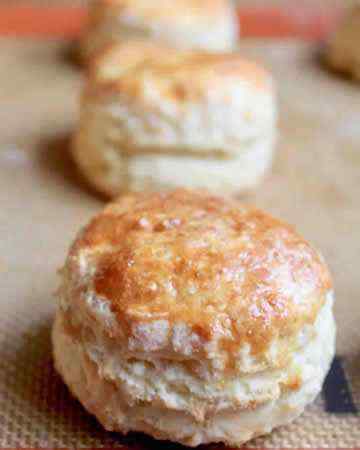 Scones are a tea-time favourite in British and Irish Food. They are an intrinsic part of an afternoon tea and perfect as a snack or treat at any time. Competition abounds when it comes to making a classic British scone - who can make the lightest, the tastiest, the crumbliest? Everyone can with a little attention. In the UK and Ireland, classic scones have been mixed, baked and eaten for centuries and are as popular today as they ever were. Making both sweet or savoury homemade scones for afternoon tea (or any time you fancy a treat) is both quick and easy, as this classic scone recipe shows. Though to make the lightest scones, you may want to take a look at the hints and tips below as the success of making them light and tasty depends on working as quickly as possible, keeping all the ingredients as cool as possible. The recipe here is for a plain scone but these can quickly be changed to fruit, cheese and or any other flavour you may want to add, (think cherry, cranberry, lemon, orange and so on).
2 cups self-rising flour (225 g)
2 oz butter, cold (55 g)
1 level tsp. baking powder
½ tsp. sea salt
¼ pt milk (150 mL)
1 egg, beaten with a little milk
Heat the oven to 400°F (200°C/180°C fan, Gas Mark 6). Grease and flour a heavy baking sheet.
Sieve the flour into a roomy baking bowl then add the butter, baking powder and salt. Quickly rub the butter into the flour until the mixture resembles fine breadcrumbs.
Make a well in the center and using a dinner knife, stir in enough milk to make a soft, pliable dough.
Turn the mixture on to a floured board and knead very lightly until just smooth then lightly roll out to ¾" (2 cm) thick.
Cut rounds with a 3" (7.5 cm) cutter or cut into triangles with a sharp knife.
Place on the baking tray and brush with the beaten egg and milk mixture. Bake near the top of the hot oven for 15 minutes or until golden brown and well risen.
Cool on a wire rack before eating.
Serve with butter, or lashings of jam and cream.
Cook's Notes:
- When preparing the equipment and ingredients for making the scones, ensure they are all as cool as possible, including your hands. Butter should be very cold, but not frozen. Warm hands, ingredients, and equipment if too warm will melt the butter rather than it be rubbed in resulting in heavy scones.
- Work quickly, and lightly. Avoid over rubbing or kneading the scone mixture. The mixture does not need to be super-smooth, it needs simply to be pulled together in a light, pliable dough.
- When cutting the scones using a tart cutter, avoid twisting the cutter, then gently shake the scone onto the prepared tray.
- When cutting with a knife, use a sharp knife. Blunt knifes or twisting the tart cutter tears at the edges of the scone and stunts the rise of the scone.
- Cook near the top of the oven, even when using a fan. Scones like it best near the top.
Variations:
- English Fruit Scones: Add ¼ (55 g) cup sultanas, dried mixed fruit or chopped dates to the dry ingredients in the basic recipe.
- English Cheese Scones: Add ½ (55 g) cup grated cheese and ½ tsp. dry mustard powder to the mixture after rubbing in the fat and flour and continue with the basic recipe. Sprinkle the scones with ½ (55 g) cup more grated cheese before baking the scones in the oven.