Salsa Roja Chile Japonés (Mexican Red Salsa with Japanese Peppers)
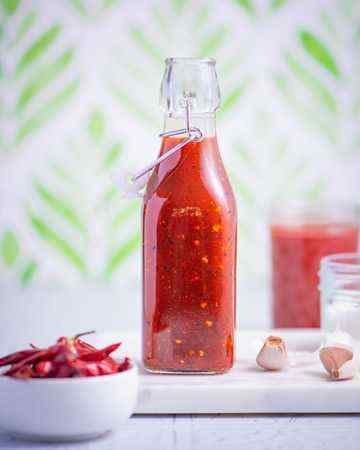 Chile Japones, or Japanese pepper, has a fascinating history in Mexico. The name “Chile Japones” (Japanese chili) can be somewhat misleading when considering that all chile peppers are originally from the Americas and not Asia. It is believed that chile peppers were introduced to Japan by Portuguese traders and missionaries in the 16th century during the age of exploration and global trade. Over time, they became popular in Japan. Naming: These chile peppers were initially known as “Capsicum,” derived from the scientific name of the chili plant. The name “Chile Japones” likely emerged because, in Japan, they became associated with their use in Japanese cuisine. The term “Japonés” signifies their connection to Japan. So, while chile peppers did indeed originate in the Americas, their name is a reflection of their historical journey and popularity in Japanese cuisine, where they are used in various dishes. Now they are as much a popular ingredient in Latin American cuisine as they are an Asian spice staple. Today it is a staple in Mexican and Asian cuisines, commonly used in salsas, sauces, condiments and stir fries. This chile japonés salsa is a favourite because it’s spicy, easy to make and delicious on ground beef tacos.
40 dry japones chiles
1½ cup water
2 large cloves garlic, peeled
2 tsp. sea salt
4 oz tomato sauce up to 8 oz total, if desired
Lightly toast chiles on a comal or large flat pan over low-medium heat. Using tongs, move and turn frequently to avoid burning. Once chiles begin to release their aroma and become slightly darker in color, remove from heat.
Blend toasted chiles and raw garlic with 1 cup of water on medium setting until somewhat smooth in texture. You want to still be able to see the seeds, but avoid having chunks of chile or garlic in the salsa. It should not look like a puree.
Transfer the chile mixture to a medium jar. Very lightly rinse blender with remaining ½ cup water to obtain the residual chile from the blender and add chile-water mixture to the jar as well.
Add tomato sauce and salt. Cover and shake the jar vigorously until well mixed.
Taste and adjust salt. If necessary, add small amounts of water and additional tomato sauce until salsa reaches desired consistency. This salsa should be light in texture, but not watery.
Serve this salsa alongside chips and to add a kick of heat to everything from tacos and eggs, to vegetables, pasta, seafood, and poultry. It also pairs perfectly with Szechuan and other Asian dishes.
Store in an airtight container or jar in the refrigerator for up to two weeks.
Cook's Notes:
- Use dry peppers for liquid infusions (add them to vodkas for a spicy Bloody Mary and other cocktails)
- Add them to honey for a sweet and spicy infusion
- Use chile flakes to make dry rubs, hot peanut sauces, and hot pepper oils
- Use as a cayenne pepper substitute or in place of chile de arbol
- Where To Buy: Look for chile japones in the dry spice aisle of Mexican grocery stores or in specialty stores that carry dry peppers.
Nutritional Information:
Per serving: 1.5 oz | Calories: 13kcal | Carbohydrates: 3g | Protein: 0.5g | Fat: 0.2g | Saturated Fat: 0.03g | Polyunsaturated Fat: 0.1g | Monounsaturated Fat: 0.02g | Sodium: 653mg | Potassium: 92mg | Fiber: 1g | Sugar: 2g | Vitamin A: 724IU | Vitamin C: 2mg | Calcium: 6mg | Iron: 0.3mg