Pastry Dough (French)
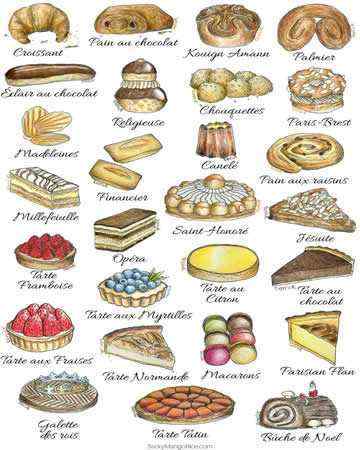 French cuisine is the foundation of modern cookery with French style pastries sold in patisseries and bakeries around the world. If you're interested in learning to make beautiful pastries, here are 5 traditional French pastry styles that are studied at Cordon Bleu schools around the world.
Pâte à Choux (Choux Pastry):
The basis of éclairs and profiteroles, pâte à choux (or choux pastry) is made from cooking butter and flour together, and then gradually incorporating egg while the batter is warm. When baked, steam rises inside the batter to create a hollow pastry, which can then be filled with crème pâtissière or ganache. When fried, choux pastry is used to make beignets or churros.
Pâte Viennoise:
This is a sweetened, leavened dough named for its origin in Vienna. It is bread-like, but sweeter and richer, and is the basis of a number of popular viennoiserie such as brioche.
Pâte Feuilletée (Puff Pastry Sheets):
Better known as puff pastry, this is another staple of viennoiserie. The dough is kept chilled as it's made and laminated multiple times with butter, creating distinct layers which, when cooked, form pockets of air throughout the pastry. Pâte feuilletée is used to make croissants, palmiers, and even savoury dishes such as the Beef Wellington.
Pâtes Battues (Beaten Dough):
Translating to "beaten dough", this family of mixtures is used to make popular French desserts. Within this family is pâte génoise, a dry sponge cake and the basis of opera cakes, tiramisu and madeleines. Another member, pâte biscuit, is the traditional foundation for sugar cookies, made with similar portions of butter and sugar.
Pâtes Friables:
These doughs are used to make the base for tarts and quiches. A pâte brisée is the most basic form, made from only flour, water, salt and butter. Pâte sablée is an enriched version, with sugar, eggs and sometimes almond flour - perfect for a classic tarte au citron.
Pâtes Brisée:
This is the most basic of our three crusts and contains only flour, butter, salt, and cold water making it great for savoury bakes. Think of it as the standard French crust. The ingredients are very similar to our American flaky pie dough but the incorporation of ingredients are slightly different.
With American pastry, we emphasize the "rubbing in" of cold butter into flour which gives us that irregular flaky texture. While the French also mix their butter into flour while it's still cold, they generally rely on the use of a standing mixer. Sometimes going as far as adding an egg yolk (in which case the crust is then referred to as a pâte à foncer). These slight alterations yield a crust with a finer, stronger, crumb, which is much more uniform but lacks the flaky quality of its American counterpart.
Well Suited For: Savoury meat pies and quiche.
Pâtes Sucrée:
Think sugar when making a paté sucrée, its name even means "sweet dough" in French. Very similar to the paté brisée ingredient-wise, the sucrée differs slightly when it comes to method. When making the sucrée you cream together the butter and sugar, then add the egg and flour. What you get is a light, crisp dough. With a tight cookie-like crumb that's strong enough to hold liquid fillings without the worry of leakage.
Well Suited For: Cream pies, chocolate ganache pies, and fruit curd tarts.
Pâtes Sablée:
The richest of our three doughs the sablée is one of the most delicious and one of the most difficult crusts to work with. Sablée is reminiscent of a good shortbread, both in flavor and in its rough-on-the-tongue texture. Like the sucrée, it is a sweet dough and generally utilized for a lot of the same dishes. The method is also similar to the sucrée as it too uses the creaming method.
However, the end result could not be less similar. Sablée is named after the French verb "sabler" meaning to "make sandy" and its texture is truly a crumbly "sandy" product. The addition of almond flour in many sablée recipes undermines gluten formation even further and adds to that delicate texture, making sablée sometimes difficult to roll out. When lining a tart tin we actually suggest pressing the dough in, instead of rolling the dough and transferring it as you might with other doughs.
Well suited For: Fruit Tarts
Cook's Notes:
For Pâte Brisée and Pâte Sucrée:
The secret to making a perfect pie crust is not only in the recipe but in the method of making it.
- Fat - You will see a big difference in the quality of your crust based on the fat you use. If you ask my mom, it can't be all butter. It had to be mostly full-fat GHEE (Shortening) and some butter for flavor. The higher the percentage your fat is, the better the crust. My grandmother would use 100% lard (animal fat). For her, making a pie crust with butter is a No-No! And yet, she lived healthily until 89. I, on the other hand, never use lard for making my pie crust. I use butter or sometimes half butter and half veg shortening. I'd be lucky if I live to her age..!
- The amount of water in your pie dough plays a very important role in the final texture. Too much water will make your crust very tough. And too little will make it very crumbly. Crumbly is good, and yet you still want to be able to hold a slice of pie.
- Avoid the fat/butter from melting into your flour. I usually place my bowl with the flour and chilled butter into the fridge for at least half an hour before I start to work it into the dough. Those of you living in a hot and humid climate can avoid touching the dough too much with your hands by rolling the pastry between two parchment papers.
- Also, use chilled iced water to maintain the temperature of the dough.
- Cool the pie crust for at least half-hour before you bake. This will prevent the sides from shrinking.
- Let the pre-baked crust cool for 15 minutes before you add in the filling. This will prevent the liquid from being absorbed into the crust. And, if your filling is very liquidy, brush the pastry with egg white, before adding the filling. This creates a seal between the filling and crust.