Chopped Livers (Jewish New York Deli)
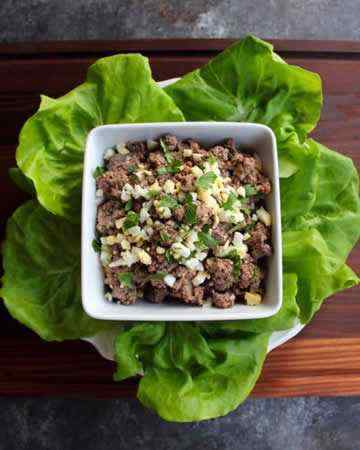 Rich, savoury chopped liver is a traditional Jewish dish that brings back fond food memories for many families. This recipe for chopped chicken livers is made the old-fashioned way with lots of love and lots of schmaltz. Given to me by a friend's Bubba. It's the perfect deli-style treat for Passover, Rosh Hashanah, or just because.
This chopped liver recipe uses schmaltz and gribenes in the mix. Schmaltz, aka rendered chicken fat, is the most traditional oil for chopped liver. You can use another cooking oil if you prefer, but in my (humble) opinion schmaltz is the only way to go. Gribenes are the crispy cracklings created when you render schmaltz. They're often referred to as "Jewish bacon". I add gribenes to my chopped liver for extra flavour, a tip I picked up from Bubba. Gribenes are optional. The schmaltz, however, is a must if you want a truly authentic flavour.
The history of chopped liver goes back to Medieval Germany, where Ashkenazi Jews bred and raised geese as the poultry of choice. The first Jewish chopped liver recipes were actually made from goose liver. Eventually Eastern European Jews began using chicken and beef livers; these recipes came across the ocean with immigrants to Ellis Island in the late 1800's. Delis on the East Coast of the U.S. have a heritage that is closely tied to those early Eastern European Jewish immigrants. To this day, you can still order chopped liver in any New York Jewish deli (any deli worth visiting, that is). Today, chopped liver is often served as an appetizer for Jewish holiday gatherings.
1½ lbs chicken livers
¼ cup schmaltz, divided
2 large onions, sliced (for a sweeter chopped liver, use up to 4 onions)
5 hard boiled eggs, peeled and diced, divided
kosher salt
black pepper, freshly ground
½ cup gribenes
Garnish:
2 Tbsp. fresh parsley, minced
Prepare schmaltz and gribenes ahead of time, or purchase schmaltz from your local kosher market. Goose fat or duck fat can be used in place of schmaltz if desired.
Prepare the livers by cutting off any tough pieces or stringy tendons. You should also cut away any pieces of liver that look discoloured, yellow or strange. This is pretty much the worst prep job ever, as uncooked liver has a soft and slimy texture, so make sure this step is done by someone with a strong stomach.
Add 2 Tbsp. schmaltz or oil into a large cast iron or nonstick skillet and melt over medium heat. Put half of the chicken livers into the skillet and fry them for 3 minutes on each side (about 6 minutes total). Season the livers generously with salt and pepper as they are cooking.
Note: If you plan to kosher your chicken livers by broiling them prior to making chopped liver, you will only need to sauté them in the skillet for about 1 minute on each side. Koshering the livers cooks them, so there is no need to sauté them for a long period of time. Be careful not to overcook or burn the livers, or they will become dry.
After cooking, livers should be firm and browned on the outside while slightly pink on the inside. They will continue to cook internally after you remove them from the skillet; don't overcook them, or they will turn dry.
When the livers are brown and firm, pour them into a medium-size mixing bowl along with the leftover schmaltz/oil from the pan. Add another 2 Tbsp. of schmaltz/oil to the skillet, melt it, and fry the remaining livers repeating the same process as above. Add the livers and leftover schmaltz/oil from the pan to the mixing bowl.
The skillet should now be seasoned with schmaltz or oil, so you don't need to grease the pan again. Add the onion slices to the skillet and reduce heat to medium low.
Cover the skillet and let the onion cook undisturbed over medium low heat for 10 minutes. Check once or twice during cooking just to make sure they are not over-browning or starting to burn. The onions should be softening, but not darkening at this point. This "steaming" process kick-starts the caramelization needed for sweetness in the chopped livers.
Uncover the skillet, stir the onions, and continue to sauté them for another 30-40 minutes, adjusting heat as needed to keep the onions from burning. Ideally the onions should be deeply caramelized, tender and sweet - this is what gives Jewish chopped liver its trademark savoury-sweetness.
Don't try to speed up the caramelization process, it takes time - and that's ok. Good things are worth waiting for. When the onions have reduced to about 1/3 of their original size and are soft, sweet, and golden, they're ready.
Add the cooked onions to the mixing bowl along with 4 of the diced hard boiled eggs and the ½ cup of gribenes (optional). Season all ingredients generously with salt and pepper.
Now it's time to chop all of the ingredients together into a blended mix. There are various schools of thought on the "right" way to chop liver. The old fashioned way is to chop it by hand with a knife, mincing and mincing until it resembles a rough pâté.
Another popular method is using a meat grinder. I use a meat grinding attachment on my Kitchen Aid mixer on the fine hole setting. Works like a charm.
If you want to take a more modern approach, fit your food processor with a metal blade. Place all ingredients into the processor and pulse for about 30 seconds, stirring once halfway through processing, until a roughly textured paste forms.
Whatever method you choose, it's important to taste the chopped liver once it is ground. Add salt or pepper to taste, if desired. Be a bit generous with the seasoning, as the liver is best served chilled and the seasoning won't taste as strong after chilling.
Chill the chopped liver in the refrigerator until ready to serve. Garnish with remaining diced hardboiled egg and minced parsley.
Serve as an appetizer with crackers, matzo, on rye, or gluten free crackers. Store in a tightly covered container in the refrigerator for 6-7 days. Chopped liver can also be frozen and served at a later date.
Makes 3½ cups chopped liver, serving size ¼ cup.