Pickled Cabbage (German Sauerkraut)
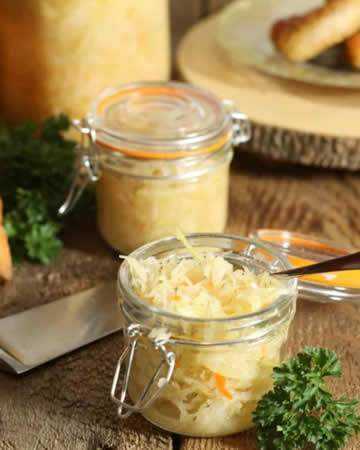 If you have had the good fortune to try fresh German sauerkraut, you’ll know it is crunchy, slightly acidic, yet sour, and full of flavour. Nothing like the canned stuff you buy in glass jars at supermarkets here in North America. Luckily, making sauerkraut at home is incredibly simple, and doesn’t require much in the way of supplies, or ingredients. You actually only really need two ingredients! Sauerkraut can be eaten cold on sandwiches (think in a bun with a Oktoberfest Sausage), as a side to a hearty meal, or simply on it’s own for a refreshing and healthy snack. It can also be eaten hot, and is delicious sautéed with onions and bacon, creating a slightly sour vegetable side dish great with a pork roast, or red meat. By using one of the oldest methods of preserving food, anyone can make this healthy recipe at home. Lacto-fermentation is the star of the show in this recipe. Thousands of tiny live little beneficial bacteria (specifically Lactobacillus), do all the hard work converting the natural sugar present in cabbage, into lactic acid creating an environment void of bad bacteria.
1 large head of green cabbage, shredded into thin strips (roughly 4.5 lbs, 2 kg)
2 Tbsp. salt (make sure the salt is iodine free, pickling salt is my go to option)
1 carrot, shredded (optional, good for colour)
Start by removing the core of the cabbage. First cut the head of cabbage in half, and then into quarters. I have found this to be the easiest way to remove the core. Cut out the core sections and remove any outer leaves which may have black spots or look damaged.
Shred the carrot and cabbage. Mix in the pickling salt.
Pound the cabbage mixture until there is about 1" of liquid cover the cabbage when it's pressed down.
Weight the cabbage to submerge it in the brine, and store in a cool, dark area for 10-20 days to ferment.
Check the cabbage daily to assess fermentation and remove any possible mold growth.
Store fermented sauerkraut in mason jars in the fridge for up to 3 months after fermentation is complete.
Makes enough to fill a 1.5 L mason jar.